
Table of Contents
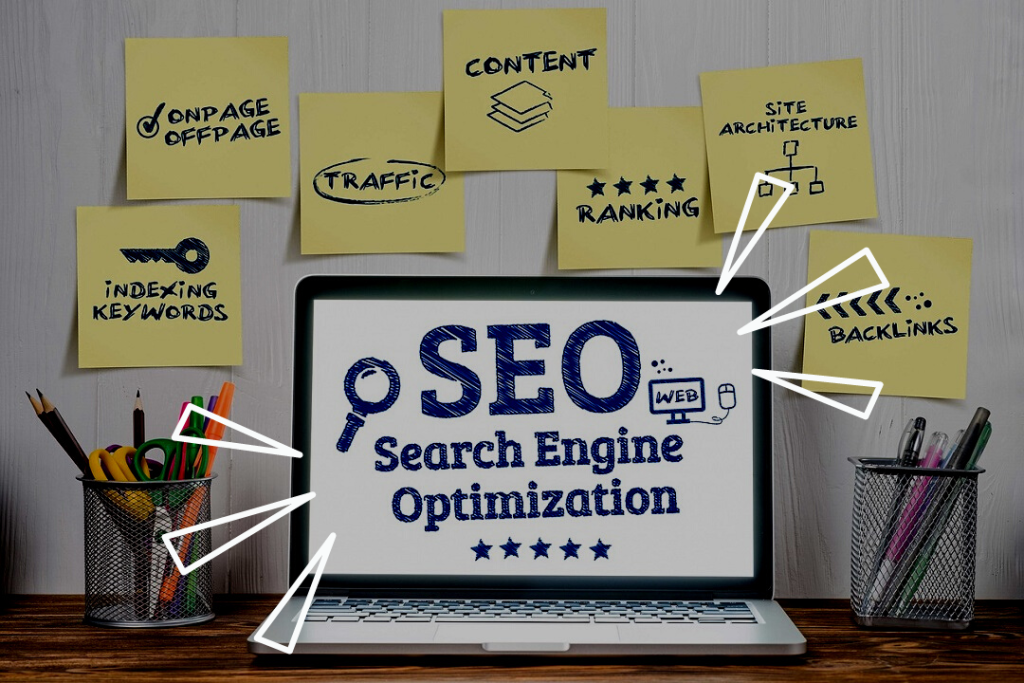
In the world of search engine optimization (SEO), there are different strategies that can be implemented to improve a website’s ranking in search engine results pages (SERPs). Three common approaches are technical SEO, on-page SEO, and off-page SEO. In this blog post, we’ll explain the differences between these three types of SEO and how they can help improve a website’s visibility in search results.
1. Technical SEO
Technical SEO refers to the optimization of a website’s technical aspects to make it more search engine friendly. This includes making sure that the website’s code is clean and structured in a way that search engines can easily crawl and index the website’s pages. Technical SEO also involves optimizing the website’s loading speed, mobile-friendliness, and security.
Some of the technical SEO elements that need to be optimized include:
● URL structure: URLs should be short, descriptive, and include keywords that describe the content of the page.
● Title tags and meta descriptions: These are HTML elements that provide information about the page’s content to search engines and users.
● Header tags: These are HTML elements that indicate the structure of the page’s content, with H1 being the most important.
● XML sitemap: This is a file that lists all the pages on a website and helps search engines to crawl and index them more efficiently.
● Robots.txt: This is a file that tells search engines which pages they should crawl and which ones they should ignore.
● Site speed: A fast-loading website is essential for both user experience and search engine rankings.
● Mobile-friendliness: With more and more people accessing the internet on their mobile devices, a mobile-friendly website is crucial for SEO.
● HTTPS: This is a secure version of the HTTP protocol that encrypts data sent between a website and a user’s browser, making it more secure.
2. On-page SEO
On-page SEO refers to the optimization of a website’s individual pages to make them more search engine friendly. This includes optimizing the page’s content, meta tags, and other elements to help search engines understand what the page is about.
Some of the on-page SEO elements that need to be optimized include:
● Keyword research: This involves researching the keywords that users are searching for and incorporating them into the page’s content.
● Content optimization: This involves optimizing the page’s content to include the target keywords in a natural and relevant way.
● Meta tags: This includes the title tag, meta description, and header tags, which provide information about the page’s content to search engines and users.
● Image optimization: This involves optimizing the images on the page by including alt tags and optimizing their size and format for faster loading.
● Internal linking: This involves linking to other pages on the website to help users navigate and search engines understand the website’s structure.
3. Off-page SEO
Off-page SEO refers to the optimization of a website’s external factors that can influence its ranking in search results. This includes building backlinks to the website, social media activity, and other factors that indicate the website’s popularity and authority.
Some of the off-page SEO elements that need to be optimized include:
● Backlinks: These are links from other websites that point to the website being optimized. The more high-quality backlinks a website has, the more authoritative it appears to search engines.
● Social media activity: This includes social media shares, likes, and comments that indicate a website’s popularity and engagement with users.
● Online directories and listings: These are listings of the website’s business information on other websites, such as Yelp, Google My Business, and Yellow Pages.
● Brand mentions: This involves getting the website’s brand mentioned on other websites, even if they don’t include a link.
Conclusion
In conclusion, technical SEO, on-page SEO, and off-page SEO are three different approaches to optimizing a website for search engine rankings. Technical SEO focuses on the website’s technical elements, on-page SEO focuses on optimizing individual pages, and off-page SEO focuses on external factors that influence the website’s ranking.
All three types of SEO are important for a comprehensive SEO strategy, and each one contributes to a website’s overall visibility in search results. Technical SEO ensures that the website is optimized for search engines to crawl and index it, while on-page SEO ensures that the content is optimized for target keywords and user experience. Off-page SEO focuses on building the website’s authority and popularity through external factors such as backlinks and social media activity.
It’s important to note that SEO is an ongoing process, and it’s crucial to keep up with updates and changes in search engine algorithms to maintain a high ranking. A combination of all three types of SEO can help improve a website’s search engine visibility and ultimately drive more organic traffic to the website.





0 Comments